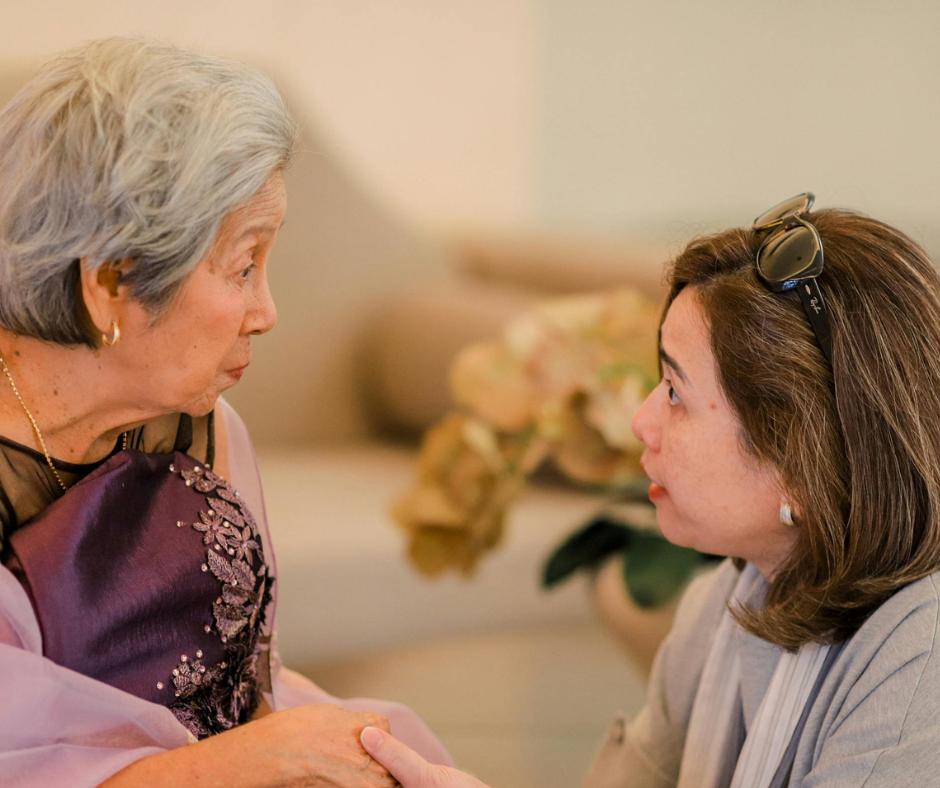
The choice of a caregiver for an elderly parent or family member is a very personal and emotional matter. A caring in-home caregiver truly connects with your loved one. They bring compassion, safety and trust to everything they do.
Who is a Caregiver?
A caregiver is a person who helps an older adult, a person with a disability or a person recovering from an illness or surgery with activities of daily living. Care can be delivered by a family member, an independent professional or trained caregiver from a home care agency.
What is the Job of a Professional Caregiver?
Professional caregivers can assist with bathing, dressing, grooming, meal preparation, remind them to take medications, mobility, light housekeeping, transportation, and companionship. They also notice when a client’s habits, disposition or condition change, and share their concerns with the family.
Signs that a Caregiver is Needed
- Problems bathing, dressing or feeding themselves
- Medication missed or missed appointments
- Increased fall or mobility issues
- Memory loss, confusion or wandering
- Withdrawal from normal activities or loneliness
- An unorganized house or unpaid bills
- Family caregiver exhaustion
Understand the Different Types of Caregivers
1. Family Caregiver
An unpaid or informal service is provided by a relative. This option can be comforting. But it may be physically and emotionally draining over time.
2. Independent Caregiver
An independent caregiver hired directly by the family. Families have more control, but they generally do screening, do payroll and make schedules.
3. Agency Caregiver
An agency is responsible for recruiting, screening, training and supervision of caregivers. It can also take steps to provide replacements if a regular caregiver is not available.
4. Live-In Caregiver
A live-in caregiver remains in the client’s residence for long periods of time. This can be for individuals who need constant care and significant support throughout the day.
5. Hourly Caregiver
With hourly care, the expert provides care during predetermined times. It may range from a few hours a week through daily visits.
How to Choose the Right Caregiver
1. Understand care needs
List the things your loved one needs assistance in doing such as personal care, mobility, eating, getting to places, companionship and memory support. Think about the potential for change of needs over time.
2. Determine your budget
Calculate the cost of care; see if long term care insurance, veteran’s or other benefits apply.
3. Verify Qualifications
Check caregiver’s experience, references and training. Also do background checks, driving record and certifications. Additional experience may be needed for dementia care or for mobility assistance.
4. Ask the Right Questions
Inquire about emergency protocols, resistance to care, challenging behavior and communication with the family.
5. Make a Trial Visit
A trial visit should be done to see how the person you care for interacts with the caregiver. This checks how comfortable they are with the loved one.
Qualities of a Great Caregiver
A good caregiver should be caring, patient, reliable, attentive, respectful and calm under pressure. They need to listen attentively, respect the dignity of the client, be punctual and have a direct conversation with family members.
Common Mistakes Families Make when Hiring Caregivers
Families may rush to hire, put price as the primary consideration, and neglect to conduct background checks or consider how families may need care in the future. Another common mistake is not listening to the older adult’s voice. If possible, involve your loved one in the process of interviews and final decisions.
Questions to Ask Yourself Before Hiring
Ask yourself if your family member is feeling safe by himself, how much assistance he/she requires, what routines are the most important, do they need to be transported, and how involved family members can be.
Red Flags to look for
If the caregiver refuses to give you references, discounts the needs of your loved one or is late frequently it is a red flag. If they talk poorly or get defensive when asked, proceed with caution. If an injury happens with no explanation, a person’s belongings go missing, he or she suddenly becomes afraid, it calls for immediate attention.
The Advantages of Professional Home Care Service
Professional home care can offer consistency, screened care workers and scheduling assistance. They offer continuous care and support and backup coverage.
Using a trusted, long-established, family-run organization can give families an extra sense of security. For over 20 years, Sequoia Senior Solutions has proudly served North Bay seniors with reliable, caring in-home services that improve quality of life.
How Home Care Services Help Family Caregivers
Caregivers are not a substitute for family relationships. Rather, they assist relatives in handling challenging responsibilities in senior care.
People with dementia can be supported by caregivers by maintaining familiar routines, providing companionship, redirection, meal support and supervision for safety.
Expert Tips for Choosing a Caregiver
Start looking for help before the need arises. List care expectations, interview multiple candidates, and outline what would happen in the event of an emergency or if a caregiver were to be absent. Reassess the care plan on a regular basis as needs and circumstances may vary.
Areas We Serve
We proudly provide compassionate caregiver services for seniors and families throughout:
● Mendocino, CA
● Lake County, CA
● Sonoma County, CA
● Marin County, CA
● North Bay, CA
● Napa County, CA
Final Thoughts
The right caregiver should not just be able to help; he or she should be able to bring something more. They should provide a feeling of safety, dignity, trust, and companionship. You can make a considered decision as a family without getting overwhelmed by taking each step in the process.
FAQs
How do I find a caregiver from my elderly parent in Napa?
Call a trustworthy home care provider that provides home care services in Napa. Inquire with Sequoia Senior Solutions about screening, matching, availability, supervision and personalized care plans.
How do I know if my parent needs in-home care?
Regular falls, not taking medicines as prescribed or poor hygiene are some common signs they may require a little more assistance. Loss of social interaction, memory loss, or problems with eating and drinking or housework are other signs.
How do I become a caregiver in Mendocino County?
This is dependent on the employer and role. Home care agencies might ask for an application, interview, background check, orientation, training and credentials.
What qualifications should a caregiver have?
Qualifications may include caregiving experience, references, background clearance, CPR/first-aid training and specialized experience in assisting with dementia or mobility issues in elderly care.
What is the difference between home care and home health care?
Home care is assistance with daily living and nonmedical services. Home health care includes medical care like nursing or therapy under professional clinical supervision.